


4 April 2026
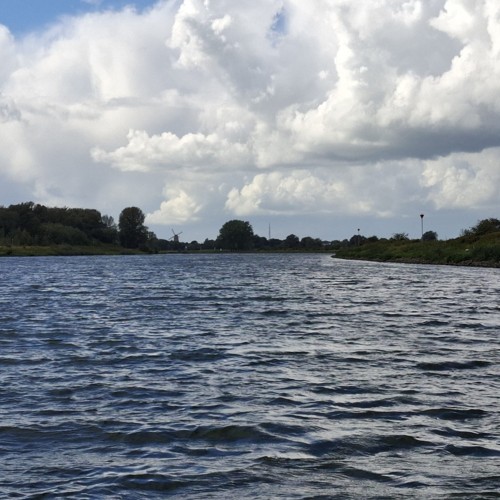
An investigation by the German platform Correctiv shows that industrial companies along the Rhine are discharging chemical substances that are often insufficiently known or studied. This creates a growing blind spot in water quality policy among the Rhine riparian states.
For RIWA-Rijn, the investigation confirms a persistent problem: efforts to make the Rhine cleaner as a source of drinking water for more than 5 million Dutch citizens are falling short.
“What we see with new monitoring techniques is that pollution is becoming more complex, while our knowledge of these substances is lagging behind. These unknown substances pose a risk to drinking water supply,” says Gerard Stroomberg, director of RIWA-Rijn. “If we only take action once we know exactly what is in the water, we are already too late. This calls for a fundamentally different, precaution-based approach. Generic measures can also help reduce discharges of unknown substances.”
RIWA-Rijn calls for greater transparency on discharges, stricter standards, and more intensive monitoring of emerging substances.
The publication has already led to questions in the German Bundestag about the impact of industrial discharges on the water quality of the Rhine and the consequences for Dutch drinking water supply.
According to RIWA-Rijn, this underlines the urgency of the issue: effective protection of the Rhine can only be achieved through intensive international cooperation and shared responsibility among all Rhine riparian states.